
Behaviour changes needed after shark attack spike


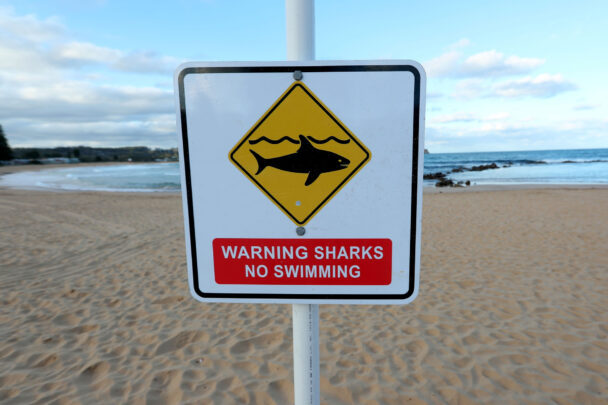
Many of Sydney’s beaches remain closed today as authorities continue to study and assess the cause of a recent spike in shark attacks along the NSW coast and in Sydney Harbour.
Intense rainstorms that flushed runoff from land into coastal waters sent large volumes of stormwater, sediment, nutrients and waste into the ocean, sharply reducing water visibility and altering coastal conditions. Researchers say these changes can increase the likelihood of shark encounters by drawing prey species closer to shore and disrupting the sensory cues sharks rely on to hunt.
Heavy rainfall is known to wash nutrients from farms, urban areas and wastewater systems into rivers and coastal waters. This can lead to an increase in baitfish and other prey near beaches and estuaries, which in turn attracts larger predators such as sharks. At the same time, murky water limits human visibility and may increase the chance of accidental encounters.
A 2019 study found some shark species, including tiger and white sharks, were more likely to attack after heavy rainfall. Scientists say murky water can increase stress in marine animals and alter behaviour, while also making it harder for people to assess risk in the water.
Pollutants carried by runoff are also being examined as a longer-term factor. Research has shown chemicals used in agriculture and urban environments can affect the nervous systems and behaviour of animals. While most evidence comes from terrestrial and freshwater species, scientists say the broader pattern suggests chemicals entering the ocean can influence marine life in subtle but poorly understood ways.
Microorganisms washed from land into the sea during heavy rain are another area of concern. Parasites such as toxoplasma gondii, which originates on land and can enter waterways via runoff, have been detected in a range of marine animals and are known to alter behaviour in infected hosts. Although the parasite has not been reported in sharks, researchers say limited testing means its broader impacts remain unclear.
Bull sharks are also under scrutiny, having been chiefly involved in a string of recent incidents. The species is highly adaptable and can tolerate fresh, brackish and salt water, allowing it to move easily between rivers, estuaries and coastal waters. As ocean temperatures rise, studies have found bull sharks are spending longer periods in summer habitats such as estuaries and harbours, including Sydney Harbour.
High rainfall in Sydney recently flushed nutrient-rich water into the harbour system, attracting fish and the predators that follow them. Murkier water means bull sharks rely more on senses such as sound, smell and electroreception rather than sight, increasing the risk of bites due to mistaken identity. Scientists stress that humans are not a food source for bull sharks and that most bites are considered exploratory.
It’s against this backdrop that four shark incident reports have been well-documented in recent days in NSW. They included a surfer bitten at Point Plomer on the mid-north coast, a serious attack at Manly, an incident at Dee Why in which a child’s surfboard was bitten, and a bite involving a child swimming in Sydney Harbour. Two of those injured remain in critical condition and the latter is now not expected to survive.
Authorities responded by closing beaches and urging the public to avoid swimming or surfing in murky water, particularly after heavy rain, and to stay away from areas where fishing or baitfish are present.
Experts say clearer public guidance following major rainfall events, along with long-term investment in stormwater management, wastewater infrastructure and marine research, could reduce risk while protecting ocean health.





 Proudly Australian owned and operated