
A weekend in Budapest: from river cruises to ruin bars in Europe’s most surprising city


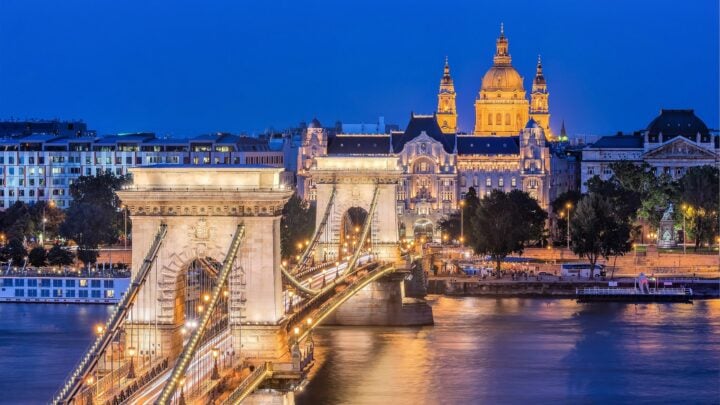
Budapest is the sort of city that sneaks up on you.
For many Australians, it’s either the grand starting point or the bittersweet finale of a European river cruise – that moment when you step off the b
oat, stretch your legs, and wonder whether you should have allowed a few extra days. You should have. You really should have.
Because Budapest is not a place you tick off. It’s a place you wander into, preferably slightly underprepared and with an appetite.
Straddling the Danube like a well-dressed aristocrat who refuses to pick a side, the city is split neatly in two: Buda, all hills and quiet confidence, and Pest, flatter, louder, and far more likely to pour you a drink at midnight. Together, they form one of Europe’s most compelling – and delightfully contradictory – capitals.
Friday: arrive, eat, and pretend you understand Hungarian wine
You arrive, as most do, slightly disoriented and immediately impressed.
The Danube glides through the middle of the city like it owns the place (it does), and the buildings – all Art Nouveau flourishes and neo-Classical bravado – suggest a place that has seen empires rise and fall and decided to keep the best bits.
Start in Pest with a stroll along the river, taking in the sheer theatricality of it all, before crossing to Buda for dinner. This is where things get serious.
Hungarian food is not subtle. It does not whisper. It arrives rich, smoky, and unapologetically confident – goulash that tastes like it’s been simmering since the Austro-Hungarian Empire, duck that practically melts, and desserts that seem designed to undo your waistband.
After dinner, you do what any sensible traveller does: head back across the river for a drink in a palace. Yes, an actual palace. Budapest has a habit of turning the everyday into the slightly absurd, and its cocktail bars – many tucked inside grand old buildings – are no exception.
Saturday: Romans, ruin bars and the art of doing very little in hot water
Morning arrives gently, possibly aided by strong coffee and the vague sense you overindulged the night before.
Begin with a trip back in time at the ancient Roman settlement of Aquincum, because nothing says “holiday” quite like wandering through ruins and pretending you paid attention in history class.
Then it’s back to Pest for a spot of shopping – or, more accurately, browsing. Budapest’s fashion scene leans heavily into vintage, which means you’ll find everything from military jackets to beautifully worn denim that looks far cooler on the rack than it ever will on you.
Lunch is where Budapest truly shines. The city has quietly built one of Central Europe’s best dining scenes, balancing tradition with just enough innovation to keep things interesting. Expect clever takes on local classics, paired – inevitably – with excellent Hungarian wines you’ll struggle to pronounce but happily drink.
By mid-afternoon, it’s time to do something profoundly important: nothing at all.
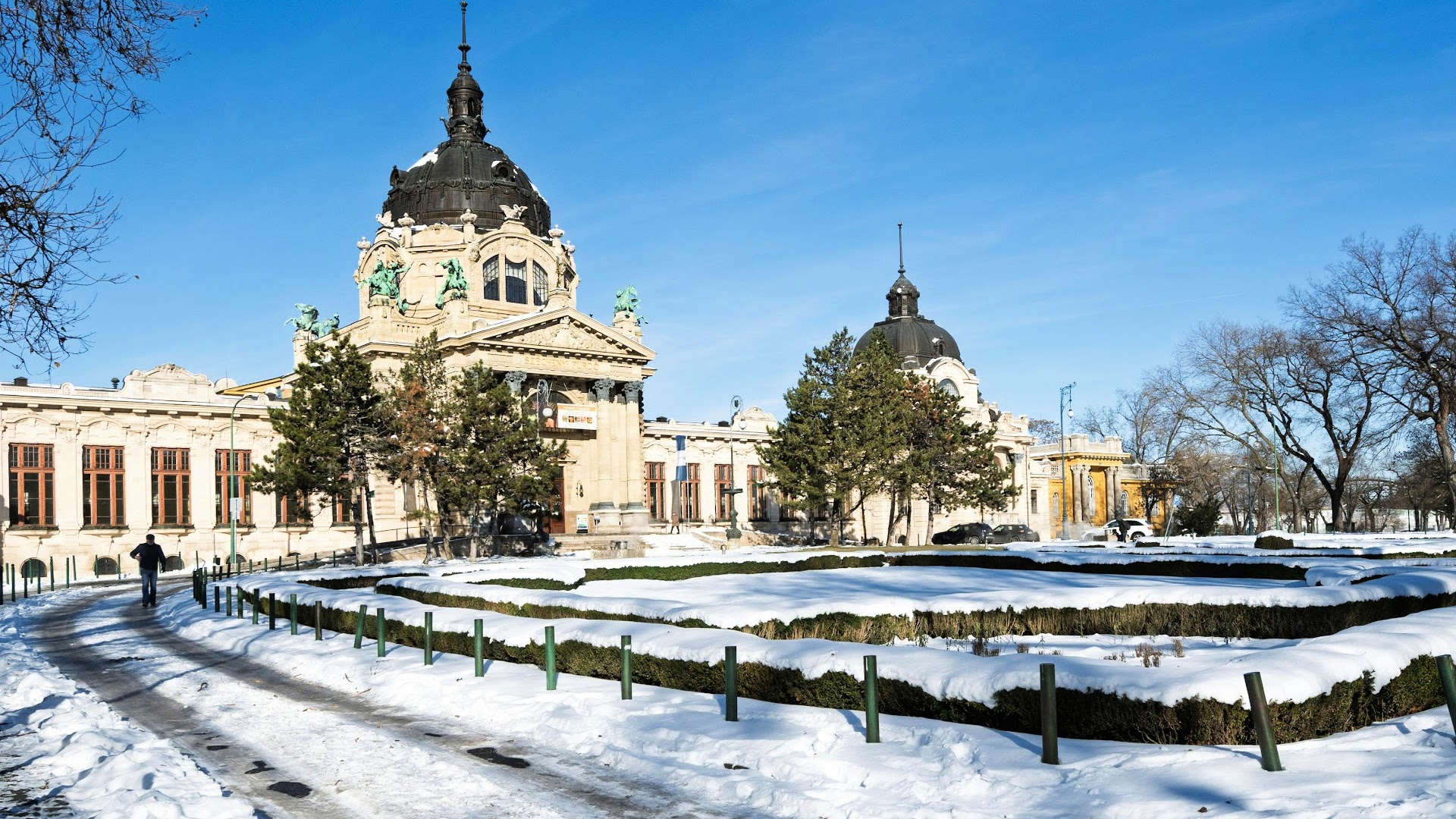
Marcelo Gonzalez/Pexel
Head to Széchenyi Thermal Bath, where locals and tourists alike soak in steaming outdoor pools like contented seals. This is not just relaxation; it’s a national pastime. Sit back, let the warm water do its thing, and briefly consider moving here permanently.
Revived and slightly pruned, wander through Városliget and stop at Heroes’ Square for the obligatory photos – enormous statues, heroic poses, and just enough grandeur to make your social media look impressive.
Dinner leans modern, perhaps somewhere near St. Stephen’s Basilica, where vegetables are flame-kissed, flavours are bold, and sharing plates are encouraged (whether you want to or not).
Then, inevitably, you end up in a ruin bar.
These are Budapest’s gift to the world: crumbling old buildings turned into gloriously chaotic drinking spots filled with mismatched furniture, graffiti, and an atmosphere that suggests nobody is entirely sure what’s going on – but everyone is enjoying it immensely.
Sunday: coffee, culture and a gentle goodbye
Sunday begins slowly, as it should.
Find a grand old café – the sort where writers once argued about philosophy – and order something indulgent. Eggs, cake, coffee, perhaps all three. Budapest does nostalgia very well, particularly when it involves buttercream.
A visit to the Dohány Street Synagogue offers a quieter, more reflective note. It’s a place that tells a deeper story of the city – one of resilience, culture, and history that sits just beneath the surface of the lively streets outside.
Then, one final stroll along the Danube.
This is when Budapest does its best work. The light softens, the buildings glow, and you begin to understand why so many travellers arrive for a day and leave slightly reluctant.
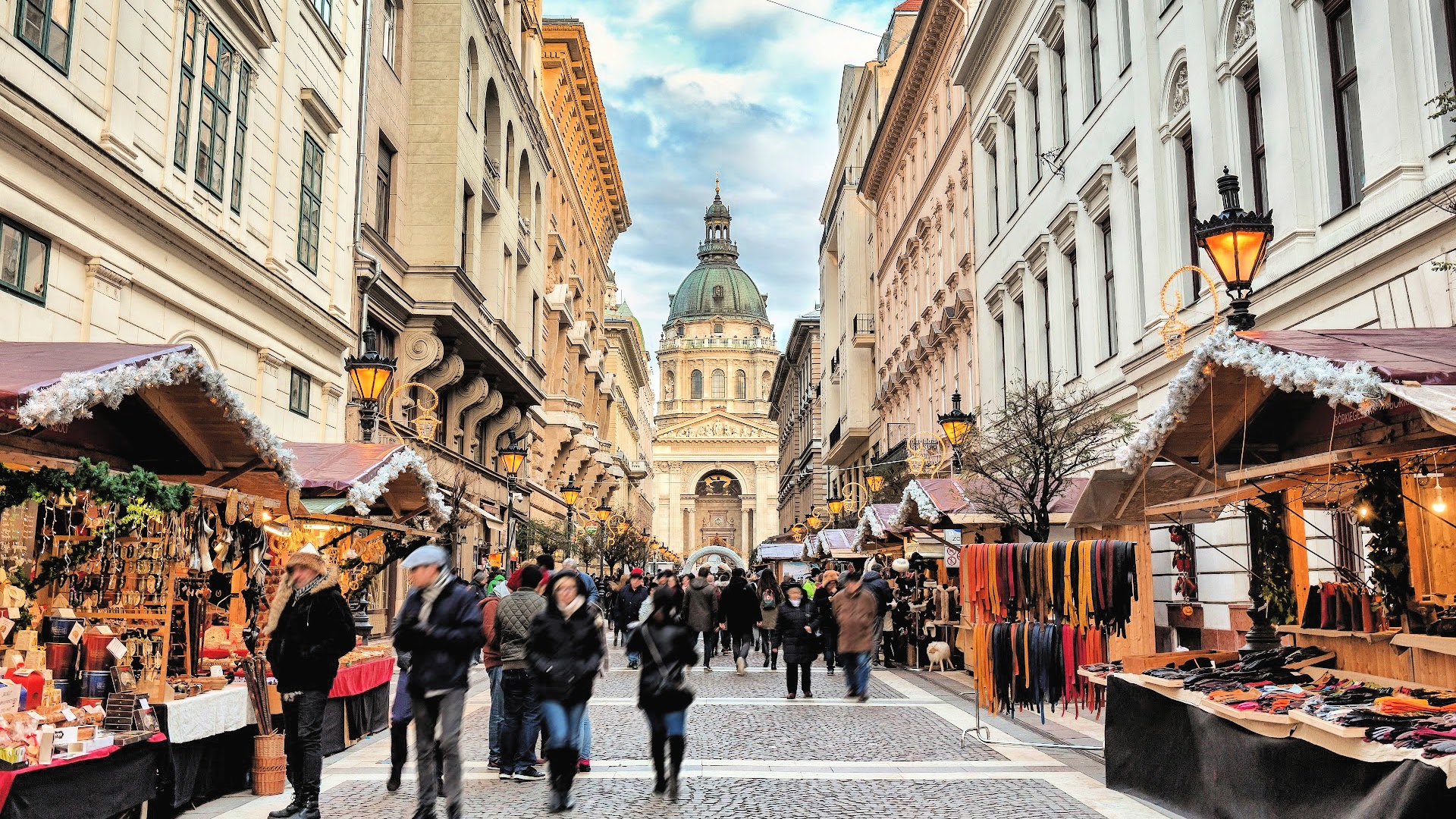
Why Budapest works — especially for river cruise travellers
For many, Budapest is simply a stop on a European river cruise — a starting line or a full stop.
But it deserves more than that.
It’s walkable, affordable by European standards, rich in history, and endlessly interesting. It offers culture without pretension, food without fuss, and just enough grandeur to remind you why you travelled in the first place.
And if churches, museums, and monuments once defined European travel, cities like Budapest now offer something else: experience.
A weekend here won’t be enough. But it will be a very good start.
Contact Travel at 60 if you are thinking about a River Cruise – with a few extra days in Budapest.





 Proudly Australian owned and operated
Comments 0
Join the conversation. Comments are reviewed before they appear.
Be the first to comment.
Join the conversation
Tell us who you are to post a comment. We'll remember you next time.