
‘She refuses any form of help’: Daughter pleads for advice on mum


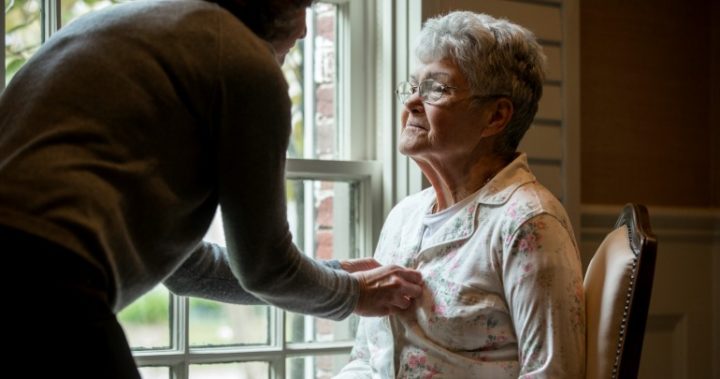
Nothing is harder than watching an elderly family member refuse much-needed help, and now, one concerned daughter has asked how to convince her 88-year-old mum she needs assistance.
Posting on Gransnet, the daughter wrote: “My 88-year-old mum is driving my sister and myself crazy. She lives in sheltered accommodation and has a lovely flat and two cats for company. Our problem, she refuses any form of help.”
She went on to say that her mother’s flat “smells and is dirty”, and she frequently eats “out of date food”.
“She doesn’t regularly wash down work surfaces or change the dish cloths. She buys food and leaves it to fester in the fridge and eats out of date food. She won’t have anyone help with cleaning and she was getting her washing done, but sacked the girl as mum didn’t think she did a good job.”
The daughter added, “when we do see her it’s a long list of complaints and grumbles”.
She explained how her mother doesn’t take her medication regularly or exercises as well, and added that she fears for her health.
“We have power of attorney both financial and health car [SIC]. She is a very wealthy lady but we are at our wits end as to how we convince her to have help to keep her well,” she concluded.
The problem is, many elderly adults are often resistant to receiving assistance from their grown children, even when they desperately need. The post generated plenty of responses, with many (who’ve been through the same scenario) telling her “you can’t force someone to accept help”.
One user wrote: “If she doesn’t want help I think you have to accept that’s its her life and her choice if she’s of sound mind that is … You can’t make someone take medication even if you know she should it’s her life and her choices I know it’s hard when it’s someone you love that’s just how I see it … .”
Another added: “I have been through this scenario with an elderly lady in the end I had to step back and let her get on with it she was very stubborn. In the end she was hospitalised and was referred to social services who did help her out but not without difficulty.”
Others offered advise with one saying, “Could one of you take her out for a meal while the other has a quick clean of the cat trays and bathroom.”
Another suggested: “Can you speak to the manager of the sheltered accommodation if there is a real concern she is not keeping the place clean?”





 Proudly Australian owned and operated